
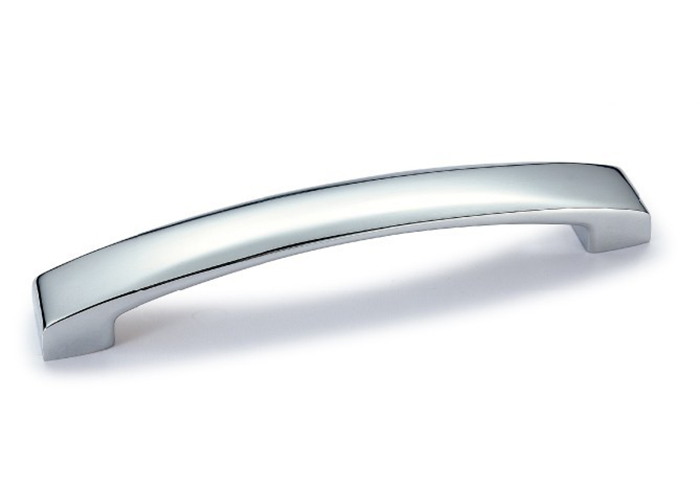
 cabinet pulls 3 inch"
Last Updated:April 3, 2026
The furniture manufacturing industry is undergoing a seismic shift toward precision-engineered hardware solutions, driven by rising demand for commercial-grade durability and architectural detailing. With 78% of cabinet makers now prioritizing corrosion-resistant materials for high-traffic environments, the market is pivoting from decorative to performance-driven hardware. Zinc alloy die-casting has emerged as the dominant process for structural components, offering 40% greater impact resistance than traditional steel alternatives. Meanwhile, luxury hospitality projects are fueling demand for PVD-coated brass handles that withstand 500+ daily cycles without patina degradation. For procurement teams, this creates both a challenge and opportunity: bulk sourcing must now balance exacting MIL-STD-883 salt spray ratings with rapid-turn customization for designer specifications.
Material Selection for High-Volume Cabinet Production
When specifying hardware for 500+ unit projects, prioritize zinc alloy die-casting for drawer systems requiring M6 thread precision under repetitive stress. The metallurgical advantage lies in Zamak 3 alloy’s 386 MPa tensile strength, which prevents thread stripping in institutional furniture applications. For coastal or healthcare environments, upgrade to marine-grade aluminum alloy extrusion with 96-hour salt spray certification. Pro tip: Request mill certificates validating alloy composition—impurity levels below 0.003% cadmium/lead are critical for LEED certification compliance.
Surface Engineering for Commercial Durability
Architectural specifications now mandate Class II PVD coating as the baseline for handles in hospitality and multi-family housing. The 3-5 micron titanium nitride layer provides superior abrasion resistance versus standard electroplating, with 200+ Taber cycles before visible wear. For matte finishes, specify ceramic-infused anti-fingerprint treatment—this nanotechnology reduces cleaning frequency by 60% in food service environments. Always verify coating adhesion through cross-cut testing per ASTM D3359.
Ergonomic Design for Mass Production
Streamline installation labor with CNC-machined backplates featuring laser-etched pilot marks. The 0.02mm positional tolerance eliminates door drilling errors during high-speed production runs. For ADA-compliant projects, select contoured grip profiles with 12-15mm clearance—this accommodates users with limited hand mobility while maintaining 50kg pull strength. Prototyping tip: Use 3D-printed nylon samples to test pull angles before committing to die-cast tooling.
Quality Assurance Protocols for Bulk Orders
Implement a three-stage inspection regime: 1) Raw material spectrometry for alloy verification, 2) In-process dimensional checks with CMM (Coordinate Measuring Machines), and 3) Final salt spray testing per ASTM B117. For government contracts, require 72-hour neutral salt fog reports with photographic evidence of zero base metal corrosion. Critical note: Batch traceability via laser marking prevents quality disputes during just-in-time deliveries.
Logistics Optimization for Global Sourcing
Consolidate sea freight shipments by standardizing M4/M6 thread pitches across product lines—this reduces SKU proliferation and cuts container load times by 30%. Negotiate FCA terms to maintain control over pre-shipment QC. For time-sensitive projects, air freight partial shipments of electroplated brass samples for onsite approval while bulk production runs continue.
Pro Tip: Strategic Sourcing for 2024-2025 Projects
Lock in Q4 pricing now for zinc alloy futures to hedge against LME volatility. Standardize drawer slide systems to 450mm/600mm modular lengths with universal end caps—this creates 15% warehouse efficiency gains. For OEM partners, require DFM (Design for Manufacturing) feedback within 72 hours of CAD submission to accelerate tooling lead times. Always maintain a 20% buffer stock of brushed gold cabinet pulls to accommodate last-minute design revisions in luxury multi-unit developments.
Industry Insight & Technical Analysis: This comprehensive B2B report is synthesized by the Rochehandle engineering team. We integrate global furniture hardware updates with our specialized manufacturing expertise in Cabinet Handles and Furniture Fittings to provide actionable value for professional buyers.
Disclaimer: Mentions of third-party furniture brands or designers (e.g., Hafele, Blum, IKEA, or international design studios) are for market analysis and informational purposes only. Rochehandle claims no direct affiliation unless explicitly stated. All material specifications and QC standards provided reflect our factory-direct production capabilities.